
- Usage-based insurance tracks your driving behavior or mileage to determine your premium
- Average savings range from 10-40% for safe, low-mileage drivers
- Major insurers offer programs like Progressive Snapshot and Allstate Drivewise
- Data privacy varies by program — most don't track exact GPS location
- Best for remote workers and retirees, risky for high-mileage commuters
Sarah in Portland was paying $1,847 annually for car insurance until she plugged a small device into her dashboard. Six months later? Her premium dropped to $1,255. Her driving habits didn't change — her insurer just started measuring them.
That's usage-based insurance. And it's quietly reshaping how Americans pay for coverage.
What Is Usage-Based Car Insurance?
Usage-based insurance (UBI) — also called telematics car insurance — prices your premium based on how you actually drive instead of statistical assumptions about drivers like you. Traditional car insurance uses demographic factors: age, ZIP code, credit score. UBI adds real driving data to the equation.
Two main flavors exist:
Behavior-based: Monitors driving habits like braking, speed, and time of day. Rewards safe driving with discounts.
Most major insurers now offer behavior-based programs. They're betting safe drivers will love seeing their careful habits translate into lower bills.
How Telematics Car Insurance Works
Here's the thing: insurers need data. They get it two ways.
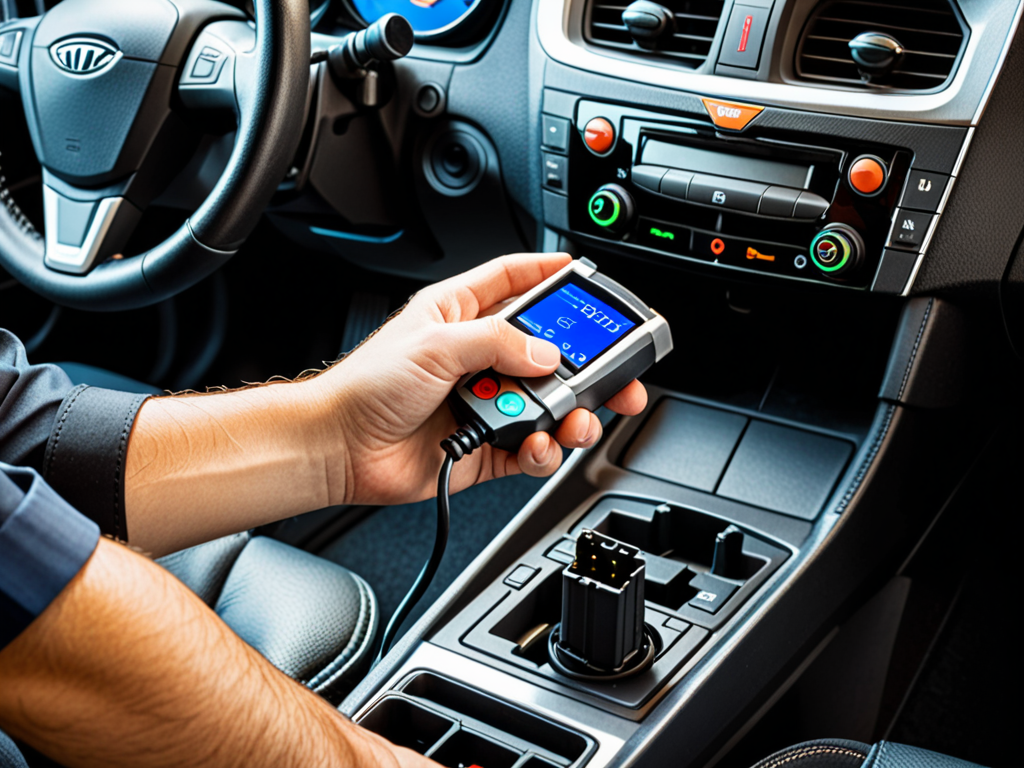
OBD-II plug-in device: A small gadget plugs into your car's diagnostic port (usually under the steering wheel). It transmits driving data via cellular connection. Takes 30 seconds to install.
Smartphone app: Download the insurer's app, grant permissions, and your phone's sensors track your driving. No hardware required.
What metrics do they track?
- Mileage: Total miles driven during the monitoring period
- Hard braking: Sudden stops indicating aggressive driving or distraction
- Rapid acceleration: Jackrabbit starts from stoplights
- Time of day: Driving between midnight and 4 AM increases risk scores
- Speed: Excessive speeding (10+ mph over limit)
- Cornering: Sharp turns at high speed
Look, most programs don't track your exact location continuously. They note general speed and time, but they're not building a map of your route to Costco. More on privacy concerns later.
Sign up through your insurer's app or website. Usually takes 5 minutes.
Plug in the tracker or download the app. Some insurers mail devices; others are app-only.
Monitoring period runs 90 days to 6 months. Your driving score updates weekly.
At renewal, your final score determines your personalized discount.
Major Usage-Based Insurance Programs
Every big-name insurer has jumped into telematics. Here's how the main programs stack up in 2026:
| Program Name | Device Type | Potential Savings | Sign-Up Discount |
|---|---|---|---|
| Progressive Snapshot | Plug-in or app | Up to 30% | Yes (varies by state) |
| Allstate Drivewise | App only | Up to 40% | 10% enrollment |
| State Farm Drive Safe & Save | Plug-in or app | Up to 30% | No initial discount |
| GEICO DriveEasy | App only | Up to 25% | No initial discount |
| Nationwide SmartRide | Plug-in | Up to 40% | 10% participation |
Progressive pioneered this space with Snapshot in 2008. Allstate and Nationwide now claim the highest potential savings, though actual discounts depend entirely on your driving score.
How Much Can You Save?
Real talk: the "up to 40%" marketing is best-case scenario. Average drivers see 10-20% savings. But the math works for safe, low-mileage drivers.
Your discount depends on:
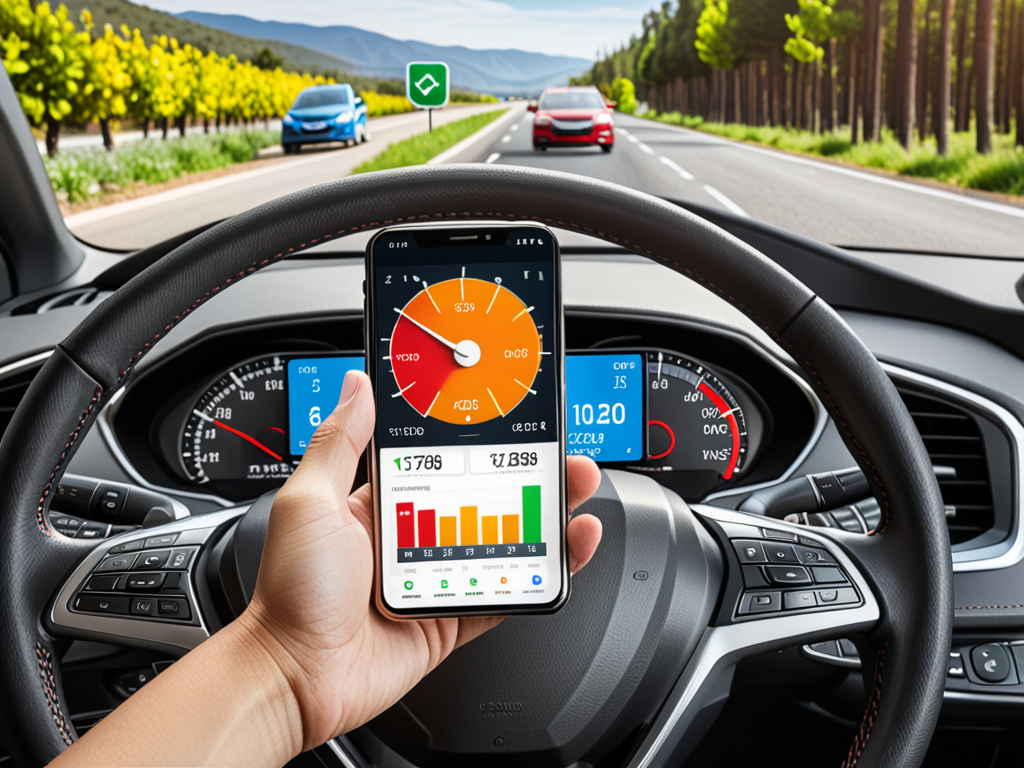
Driving score: Algorithm weighs hard braking most heavily. One panic stop per 100 miles significantly impacts your score. Smooth, predictable driving wins.
Mileage driven: Drive 5,000 miles annually? You're a low-risk goldmine. Drive 20,000? Your discount shrinks.
Participation discount: Some insurers give 5-10% just for enrolling, regardless of driving performance. Free money for trying.
For pay-per-mile programs specifically, drivers under 10,000 annual miles see the biggest wins. If you're working from home three days weekly, do the math. You might be overpaying with traditional coverage.
Who Benefits Most (and Who Should Skip It)
- Low-mileage drivers (<10k/year)
- Remote workers and retirees
- Safe, cautious drivers
- City dwellers with short commutes
- Parents teaching teen drivers
- High-mileage commuters (15k+/year)
- Night shift workers (11pm-4am driving)
- Aggressive drivers
- Privacy-concerned individuals
- Drivers in high-traffic areas (more hard braking)
Marcus, a delivery driver in Atlanta, enrolled in GEICO DriveEasy thinking his professional driving skills would score high. Wrong. His 18,000 annual miles and frequent stop-and-go traffic resulted in a 3% discount. Not worth the monitoring period.
If you regularly drive between midnight and 4 AM, or your commute involves aggressive lane changes on crowded highways, traditional insurance pricing might actually be cheaper.
Privacy Concerns: What You Should Know
The elephant in the car: data privacy. Insurers are tracking your movements. Should you worry?
Honestly, it depends on your comfort level. Here's what programs actually collect:
Most programs track: Speed, time of day, hard braking events, rapid acceleration, mileage. They timestamp these events but don't record your specific route in most cases.
GPS location: This varies. Progressive Snapshot doesn't track continuous GPS. Allstate Drivewise uses location data to detect phone usage while driving. State Farm's app uses GPS for mileage verification. Read your specific program's privacy policy.
Data retention: Driving data typically stays with your insurer indefinitely, though it's used solely for premium calculation. Insurers don't sell individual driving records to third parties (that would violate insurance regulations).
Opt-out ability: You can stop participating anytime. Remove the device, uninstall the app. You'll lose the discount but keep your base rate.
If you're deeply privacy-conscious, UBI isn't for you. But if you already use Google Maps, fitness trackers, and social media, the privacy tradeoff might be worth $300 annually.
Frequently Asked Questions
Does usage-based insurance really save money?
Yes, for the right drivers. Safe drivers with low annual mileage (under 10,000 miles) typically save 15-30%. High-mileage commuters or those who drive nights may see minimal savings or even rate increases at renewal. Participation discounts (5-10%) apply immediately with some programs, so you save something just for trying.
Can my insurance rate go up with telematics?
Most major insurers promise rates won't increase during the monitoring period — you'll just get a smaller discount (or none). However, at policy renewal after the monitoring ends, your new base rate could reflect your actual risk profile. If your driving score is poor, you might lose existing discounts. Progressive and Allstate explicitly state rates won't increase due to telematics data, but State Farm and others may adjust base rates.
What happens to my data from telematics tracking?
Your insurer stores driving data indefinitely for premium calculation and claims analysis. They cannot sell your individual data to third parties under insurance privacy regulations. Most programs don't share data with law enforcement unless legally compelled by court order. You can delete the app or remove the device anytime to stop data collection, though you'll lose your discount. Read your specific program's privacy policy — data handling varies slightly by insurer.
Usage-based insurance is reshaping car insurance for drivers willing to prove their safe habits. The technology works. The savings are real. The question is whether your driving patterns match the reward structure.